
How fast can you deliver during an emergency?
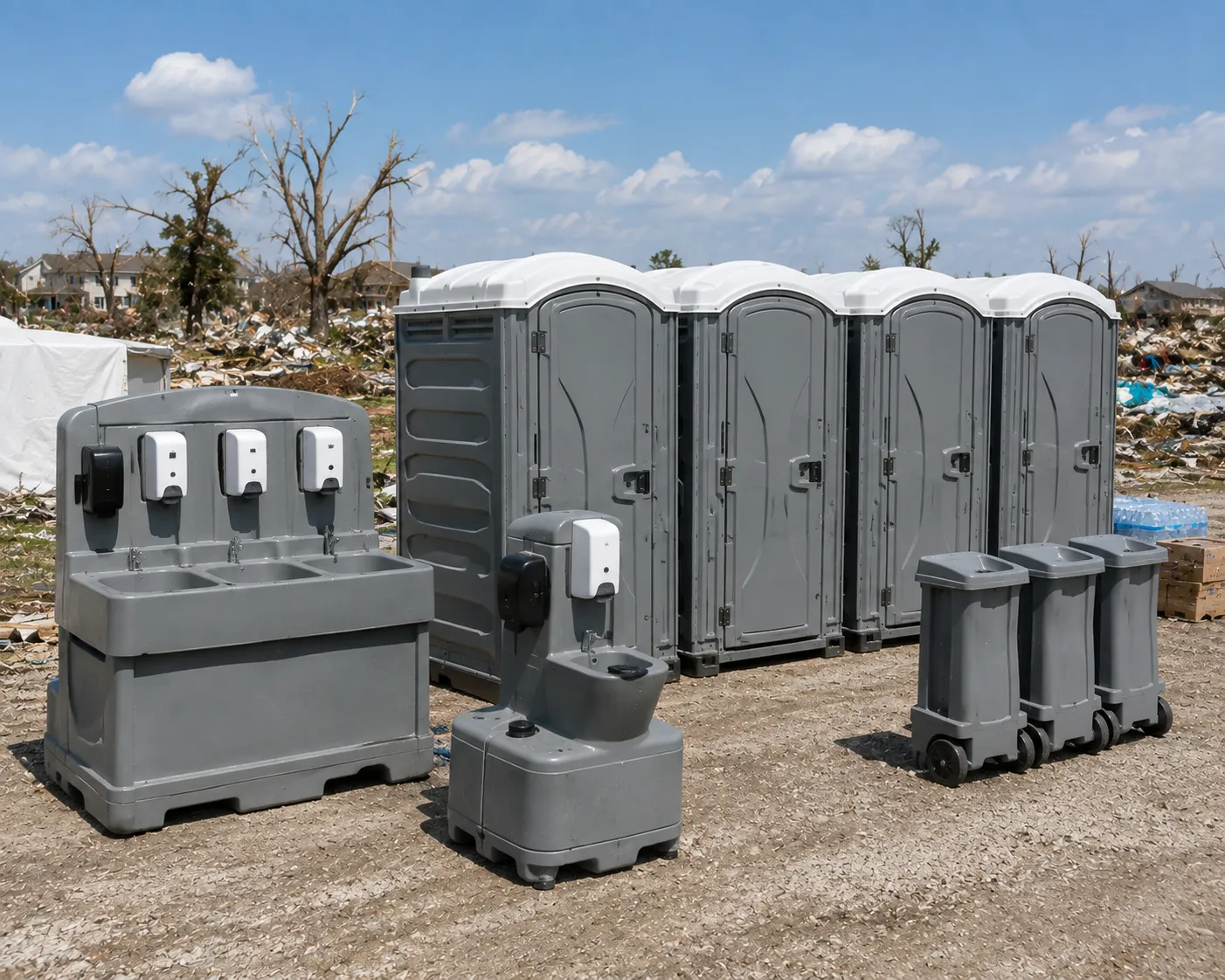
Speed matters most in the first 48 hours after a disaster hits Auburn. Iron Gate Porta Potty runs emergency porta potty rental dispatch built for exactly this, and most standard unit requests move same day once a location and unit count are confirmed. If the storm knocked out plumbing at a shelter, church, or command post, response speed usually beats specification detail, so we start with what's on the truck and adjust from there. A standard unit rents in the 100 to 350 dollar range per day depending on duration and demand, and that same unit can run week to week for as long as the recovery takes, priced in the 130 to 500 dollar weekly band. For larger relief operations, a portable restroom rental package can scale from a handful of units to a full staging ground setup. Crews coming in from Opelika, 8.8 miles northeast, or from Loachapoka, 6.6 miles west, often route through Auburn first because it sits central to the county's disaster response corridor. If your site has no paved access, tell us before delivery. A roll-off or restroom trailer needs about 60 feet of straight clearance behind the truck, and gravel or mud lots change what we can safely place without extra prep. For sites with damaged septic or sewer lines, a holding tank rental covers wastewater until the system is repaired, and septic pumping service can clear a compromised tank once the ground stabilizes enough for a truck to reach it.
What do relief sites actually need on the ground?
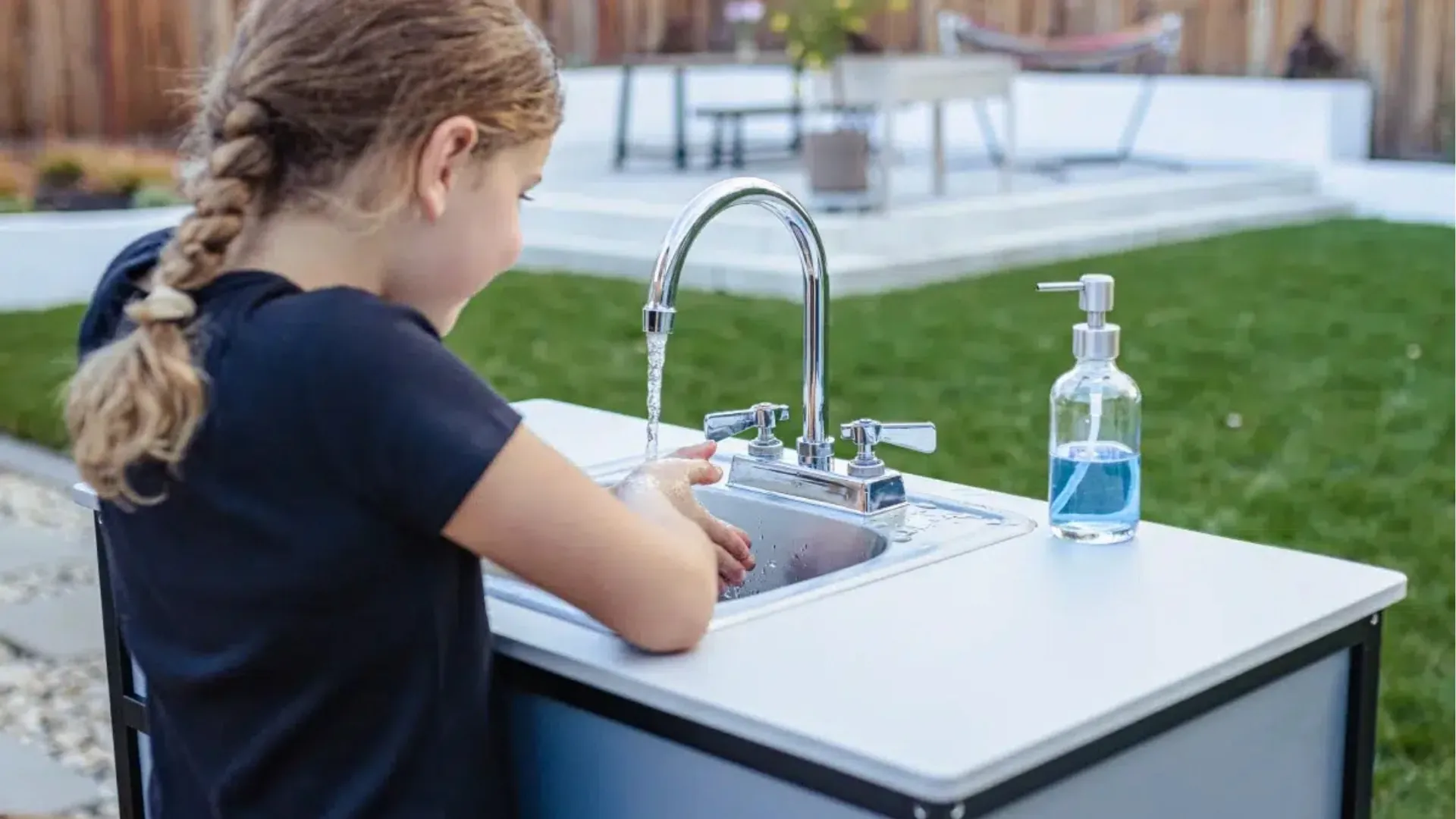
Toilets are the obvious need, but water and handwashing follow close behind. OSHA 1926.51(a)(1) requires an adequate supply of potable water at any active worksite, which applies directly to relief staging areas where crews and volunteers are working long shifts. Pair that with a handwashing station rental or a portable sink rental, since 29 CFR 1910.141(d)(2) requires washing facilities to include soap and towels or a hand-drying device, not sanitizer alone. For toilet counts, OSHA 1926.51(c)(1) sets the baseline: one facility for 20 workers or fewer, scaling up to one toilet seat and one urinal per 40 workers past that. A relief camp with 60 responders needs more than a single unit, and our how many porta potties do I need guide walks through the math for shelters, command posts, and volunteer staging separately. Debris removal usually runs alongside sanitation setup. A roll-off dumpster rental clears storm debris fast, with day rates in the 51 to 112 dollar range and weekly rates from 426 to 778 dollars depending on size, and our dumpster sizes and dimensions page breaks down which size fits a residential cleanup versus a commercial one. Perimeter control matters too when a damaged structure needs to stay off-limits; temporary fence rental runs 30 to 75 dollars a day and keeps volunteers and looters away from unsafe zones. If displaced families need secure storage while homes are repaired, a storage container rental holds belongings on site starting around 100 dollars a month.
Do accessible units matter during disaster response?
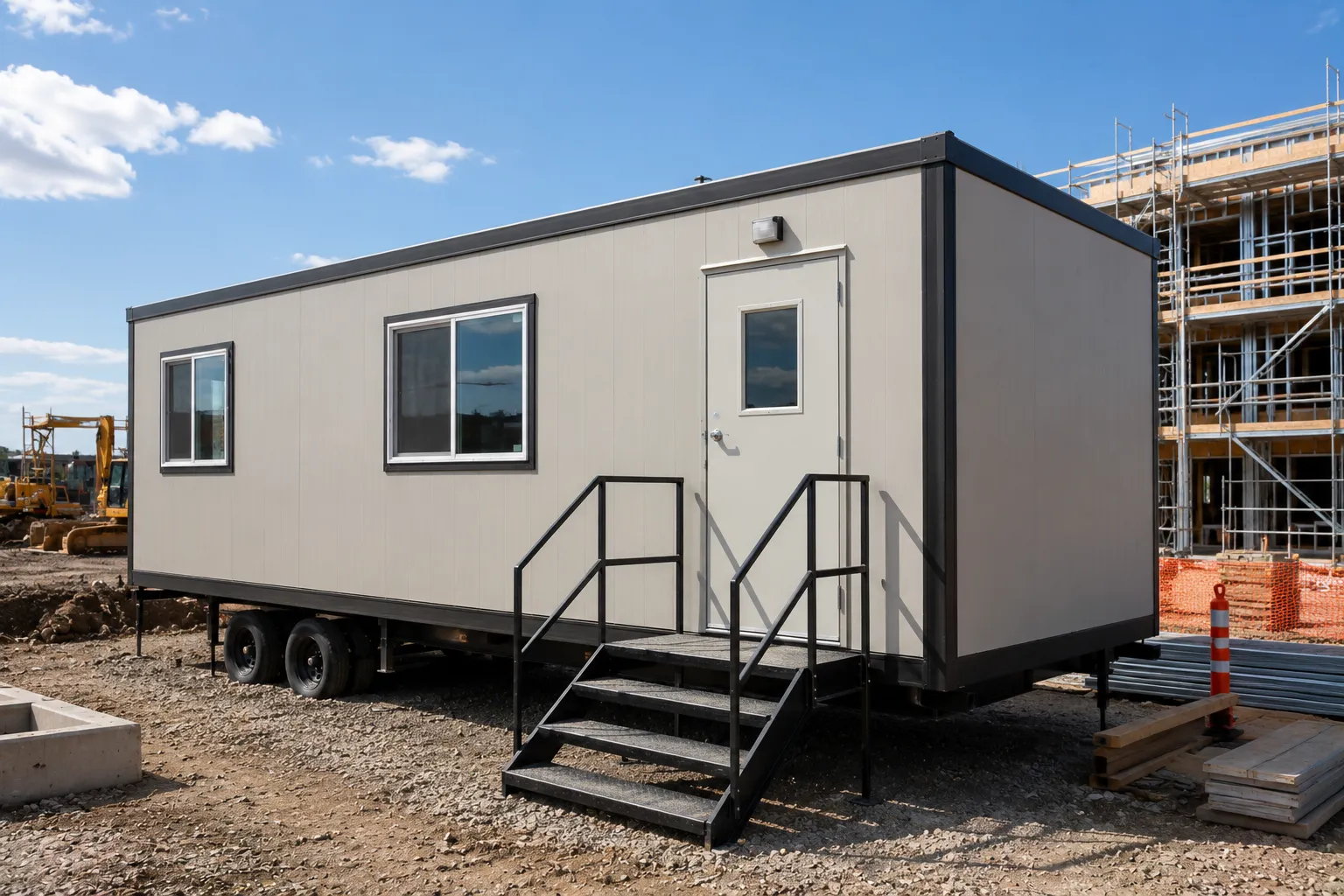
Yes, and disaster response doesn't waive that requirement. ADA Standards section 213.2 requires that where single-user portable toilet units are clustered, at least 5 percent, and never fewer than one unit, must be wheelchair accessible. Shelters, distribution points, and command posts in Auburn tend to serve elderly residents, people with mobility limitations, and families who can't easily use a standard step-up unit. Our ADA accessible porta potty option includes a wider door and interior turning space, consistent with ADA section 304.3.1's requirement for a 60-inch turning circle, and it rents in the 120 to 240 dollar weekly band. For longer-term relief operations, a restroom trailer rental offers flush fixtures and climate control, which matters when volunteers and displaced residents are on site for weeks, not days. A 2 stall restroom trailer fits smaller command posts, while an 8 stall restroom trailer covers a larger shelter population. If the relief site also needs lighting after dark, a light tower rental keeps work areas visible, and a temporary power pole can support equipment where the grid is still down. Our full construction site services page covers how these pieces combine for extended recovery work.
How quickly can Iron Gate Porta Potty respond to a disaster in Auburn?
Most standard unit requests move same day once we confirm location and count. For widespread outages affecting Auburn and nearby towns, we prioritize shelters and command posts first, then fill in secondary sites as trucks free up.
What does emergency sanitation cost during a disaster?
Pricing follows normal rental bands: standard units run 100 to 350 dollars daily or 130 to 500 dollars weekly. Extended relief operations often shift to monthly rates, and our monthly porta potty rental page explains how that pricing works.
Can you supply water and handwashing stations too?
Yes. Handwashing stations pair with any toilet order, and OSHA's potable water requirement under 1926.51(a)(1) applies to relief staging just like any active site. Ask about combined packages when you request a quote.
Do you serve areas outside Auburn during a disaster?
We do. Crews regularly serve Notasulga, 12.7 miles west, and Tuskegee, 21 miles southwest, when regional events require it.
What if my site has no road access after a storm?
Tell us before delivery. Trucks need roughly 60 feet of straight clearance, and flooded or unstable ground may require a different unit placement than usual.
Next step
Get a delivery date
Tell us the address, the dates and the headcount. We size the order and confirm the route.