
Where Should a Porta Potty Go on Site?
Pick level ground first, then think about the route the truck takes to reach it. Portable toilet rental units need a stable, slip-resistant surface, which lines up with ADA Standards section 302.1 calling for floor and ground surfaces that are firm and stable. Avoid slopes, mulch beds and soft turf that shifts after rain, which is common around Auburn in spring. Keep units within reach of the service truck's route, since a roll-off dumpster rental or standard porta potty rental both need that same 60 foot clearance behind the vehicle for delivery and pumping. If you're placing units near a building entrance, leave enough width for foot traffic and don't block a fire lane. For events, coordinate with the venue on placement before the trucks show up. Sites near Opelika, 8.8 miles northeast of Auburn, and Loachapoka, 6.6 miles west, follow the same ground rules even though they're different jurisdictions.
Does Auburn Require a Permit for Porta Potty Placement?
Placement in the public right of way needs confirming with the city before you set anything down. Auburn's specific permit rules for portable sanitation are not something we'll guess at here, so check with the city before setting a unit on a sidewalk, street shoulder or any public easement. On private property, most placements don't need a permit, but always verify with the property owner and the city if you're near a curb or drainage easement. This is the same caution that applies to a dumpster placement permit: the cost and process vary by city and by whether the container sits in the right of way or fully on private land. If you're unsure, our request a quote team can point you toward who to call at the city before delivery day. Renters comparing a temporary fence rental around a work zone should ask the same permit question, since fencing placement often triggers the same review as a toilet or dumpster sitting near a public sidewalk.
How Many Units Do I Need and Where Do They Go?
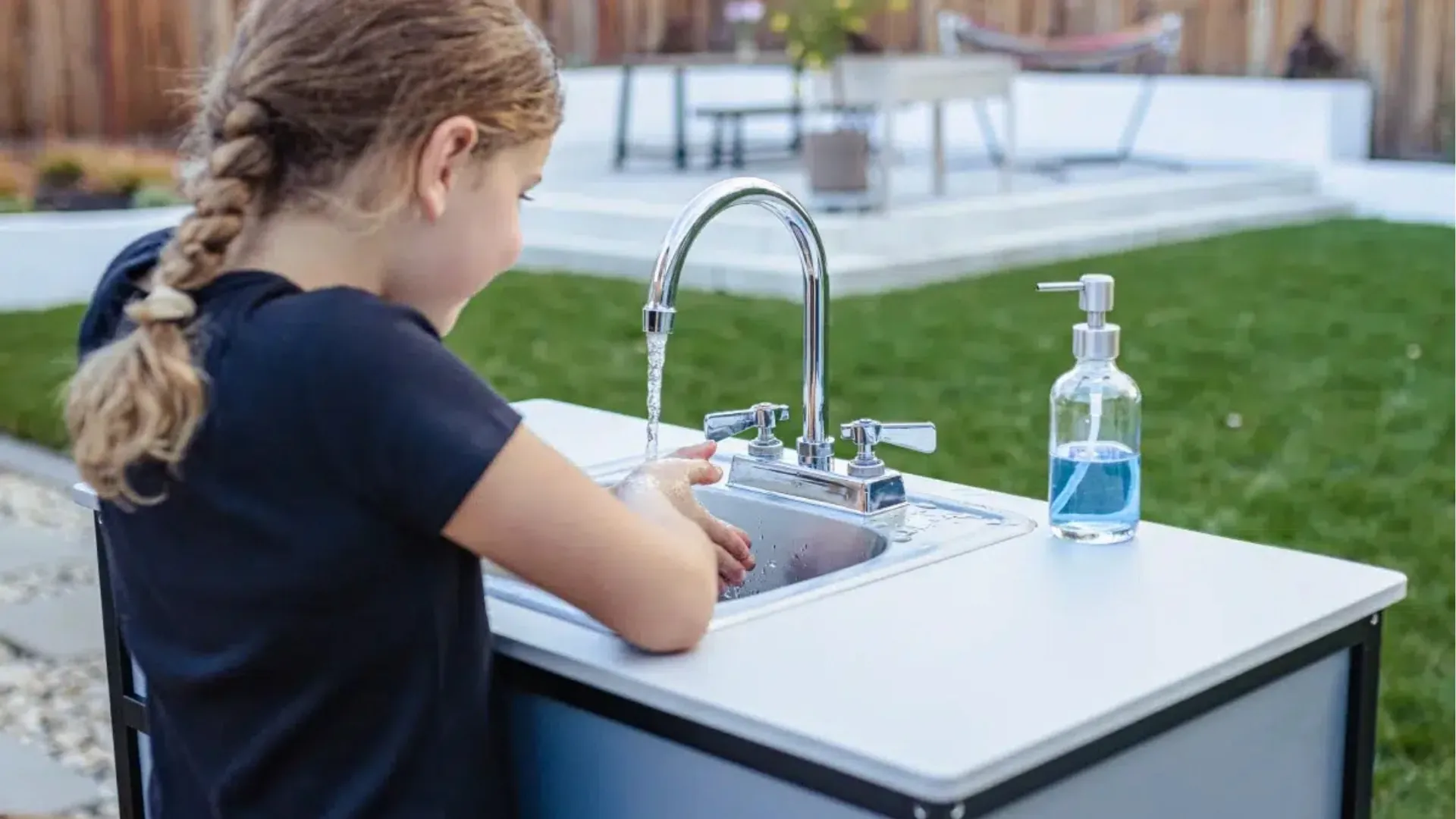
Worker count drives both placement and unit count under OSHA 1926.51(c)(1): one toilet facility for 20 workers or fewer, then one toilet seat and one urinal per 40 workers as headcount climbs, dropping to one seat and one urinal per 50 workers at 200 or more. Spread units across a large site rather than clustering them all in one corner, so nobody's walking a quarter mile to relieve themselves. For ADA compliance, ADA Standards section 213.2 requires at least 5 percent of clustered single-user units to be accessible, and never fewer than one. That means placing an ADA accessible porta potty on a route with a clear width of at least 36 inches per ADA Standards section 403.5.1, with a door opening of 32 inches per section 404.2.3, and a 60 inch turning circle nearby under section 304.3.1. Use our how many porta potties do I need guide to run the math for your headcount before you finalize the layout. For farm sites, OSHA 1928.110 sets a facility within a quarter mile walk for hand-labor employees, which changes placement logic entirely versus a fixed construction lot.
What Else Affects Placement Besides Ground and Permits?
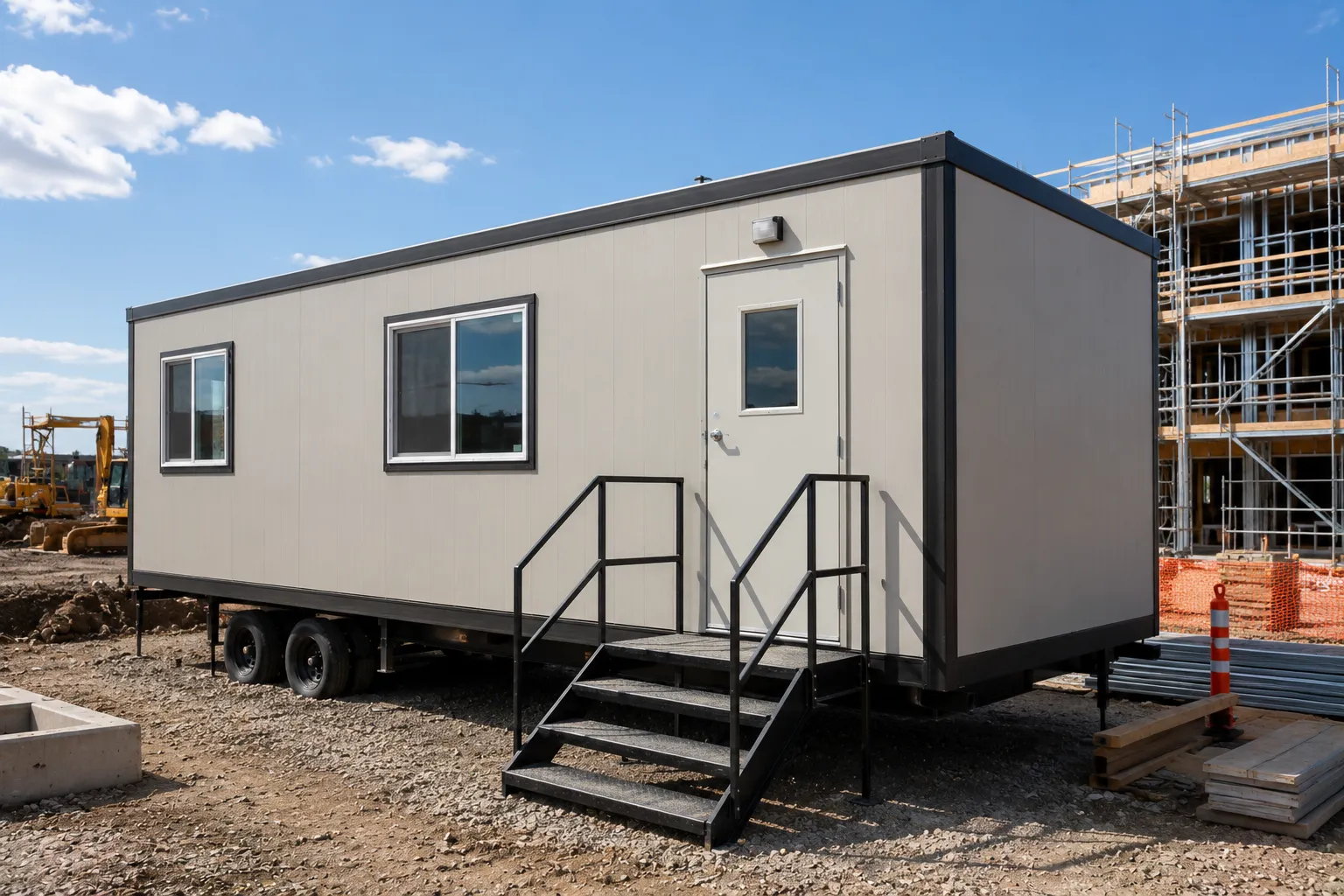
Water access, lighting and nearby equipment all shape where a unit ends up. If you're running a handwashing station rental alongside toilets, OSHA 1926.51(a)(1) requires an adequate supply of potable water at the site, and 29 CFR 1910.141(d)(2) requires soap and a way to dry hands, not just sanitizer. If crews are applying paints, coatings, herbicides or insecticides, OSHA 1926.51(f)(1) requires washing facilities specifically for that contaminant exposure, which may mean placing a portable sink rental closer to the work area than you'd otherwise plan. Night work needs lighting per OSHA 1926.56(a), so pair unit placement with a light tower rental if the site runs after dark. Keep debris and scrap clear per OSHA 1926.25, and if a storage container rental or mobile office trailer rental sits nearby, leave room for both without blocking the truck's path back out. A cracked or misaligned door on a mobile office trailer should get fixed before delivery, since mobile office trailer replacement doors aren't something you want to source mid-project.
Can I place a porta potty near a septic system or drain field?
Keep units off active drain fields and septic tank areas. A residential septic tank is typically pumped every 3 to 5 years depending on size and household use, and heavy equipment or standing water near that tank can cause problems. If you're scheduling septic pumping service around the same project, coordinate timing so the pump truck and porta potty delivery don't compete for the same access path.
Do restroom trailers need different placement than standard units?
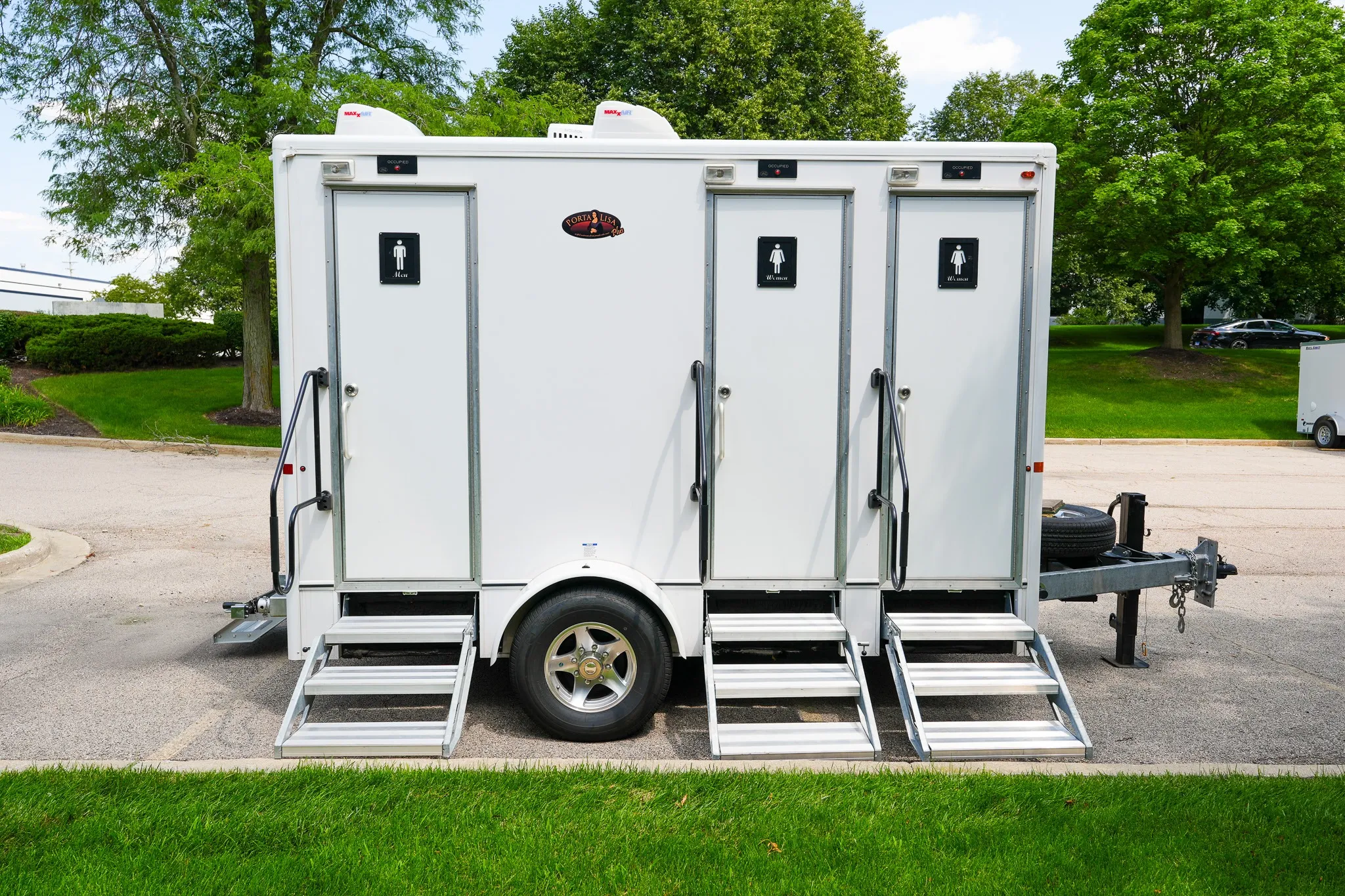
Yes. A restroom trailer rental needs a level, hard surface for leveling jacks and often a power hookup, unlike a standard unit that sits directly on the ground. Check clearance for both the tow vehicle and any awning or step that extends outward.
What replacement parts come up most for portable sinks on site?
Pumps, spigots and soap dispenser parts wear out fastest on job site sinks. If you're running an Ozark River portable sink, replacement parts for the pump and faucet are the most common swap; ask your rental provider before assuming a new unit is needed.
How far from a property line should a dumpster or porta potty sit?
That depends on city rules, which we can't state without confirming with Auburn directly. Contact the city before finalizing placement near a shared property line, especially if the unit sits close to a neighbor's driveway or fence.
Does event placement differ from a construction site layout?
Yes, event placement leans on foot traffic patterns instead of worker headcount. See our event restroom rental guide for spacing tips suited to guests moving between a stage, parking and food areas rather than a fixed crew.
Next step
Get a delivery date
Tell us the address, the dates and the headcount. We size the order and confirm the route.